CK Galvanizing

Fabrication Design Guide

Home
Fabrication Design Guide

This guide outlines key design considerations and best practices to help customers optimise fabrication for the galvanising process.

Fabrication Considerations and Material Preparation
Steel Surface Things to Note
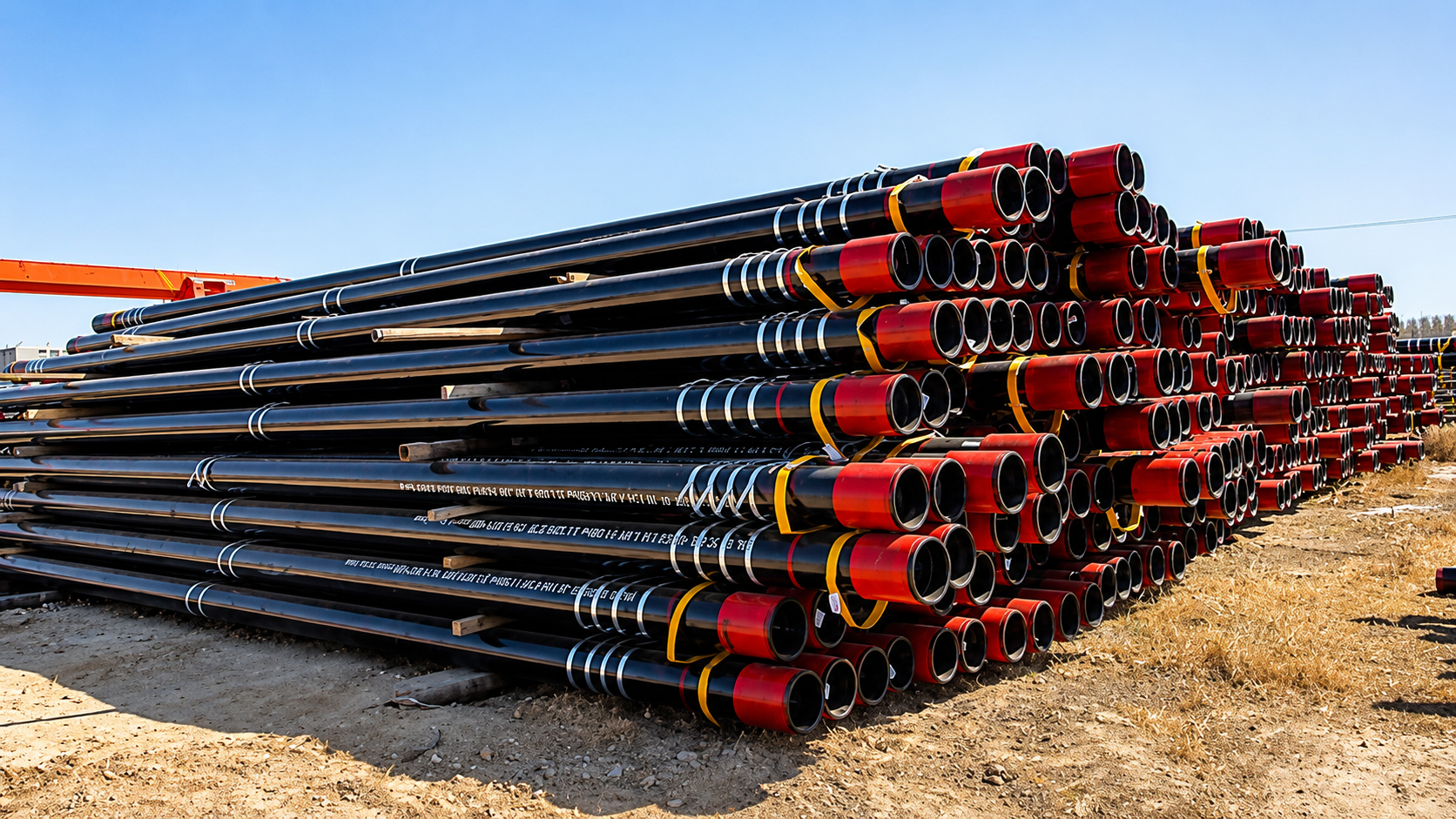
Steel surfaces should be free from excessive paint, grease, oil, lacquer, and other contaminants. Sandblasting is required for products with excessive paint or lacquer, and additional charges apply.

Example of Epoxy-coated Seamless Pipes

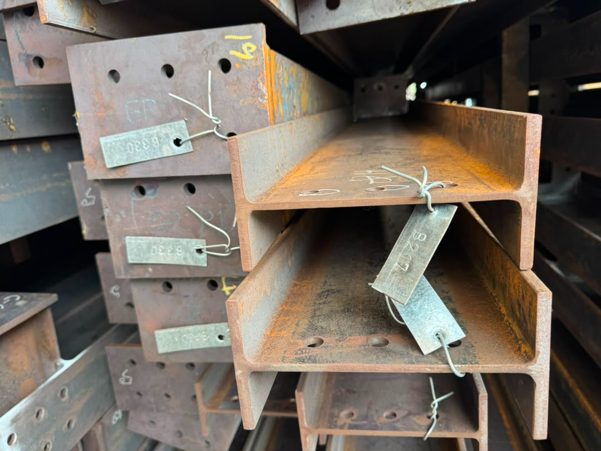
For permanent identification, recommended methods include:

Example of metal tagging for identification
For temporary identification before galvanizing, the recommended methods are water-based paints or markings pens.

Non-acceptable identification methods include.

Oil-based paint or marking pens.

Distortion Considerations

Thin or asymmetrical steel sections may experience distortion during galvanising due to high process temperatures.

Vent & Drain Hole Requirements

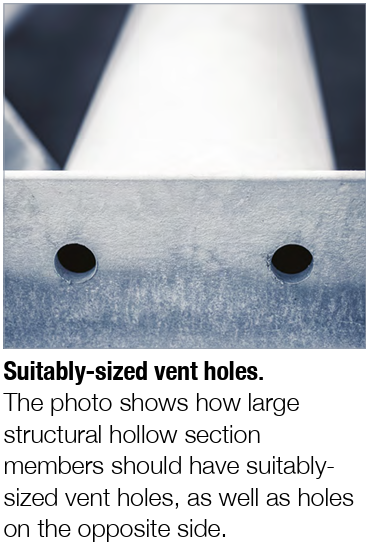
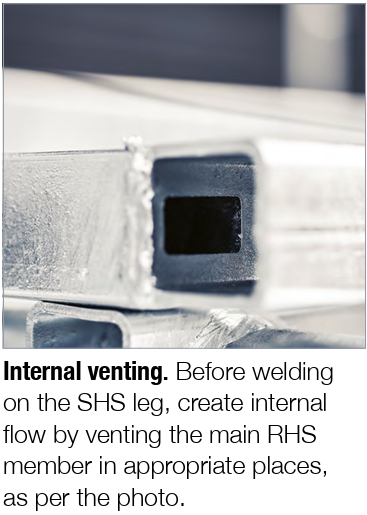
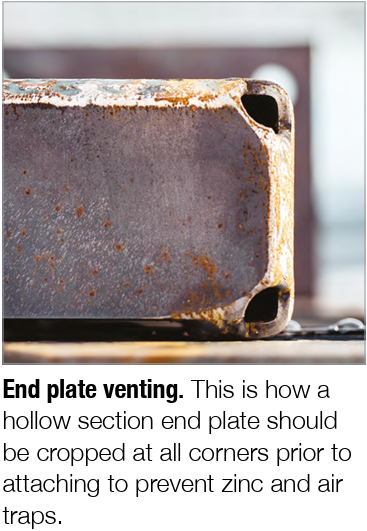
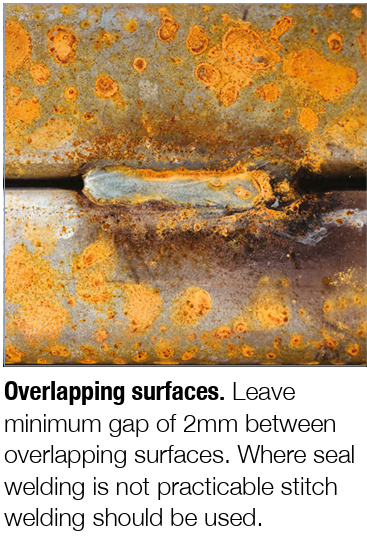
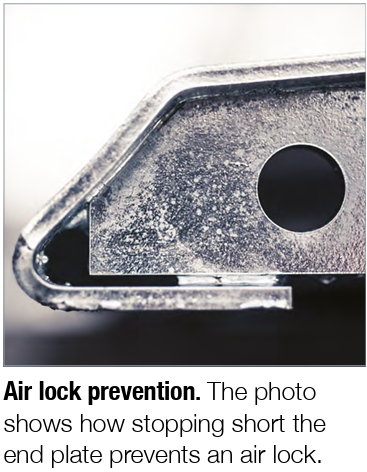
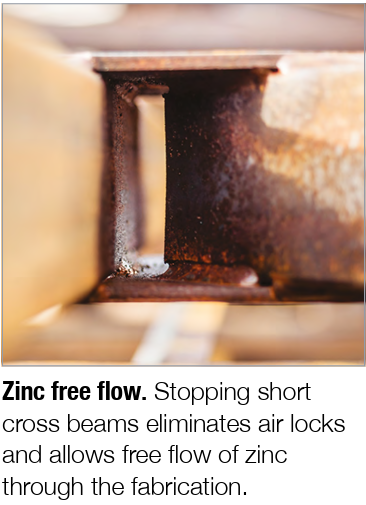
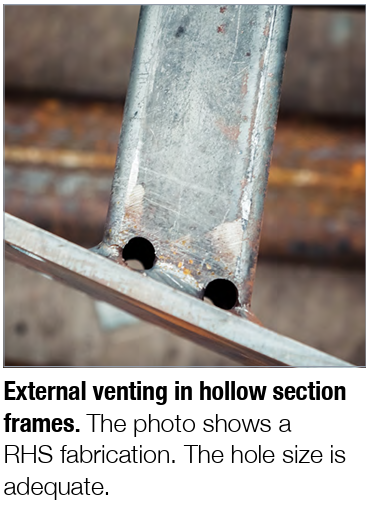
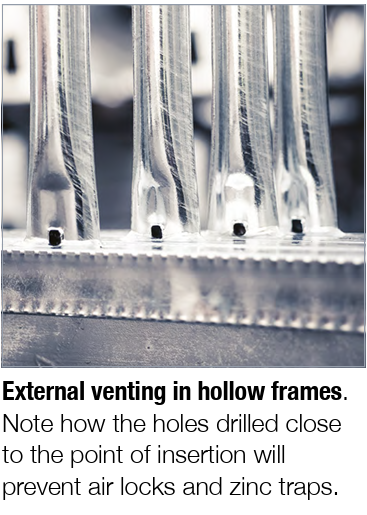
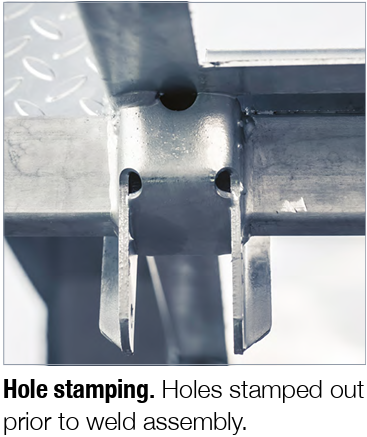
Vent and drain holes allow treatment solutions, air and molten zinc to flow freely during the galvanizing process.


Inadequate venting may result in trapped air, poor coating quality or safety risks during immersion. Please refer to “Common Issues & Recommendations” for some of the issues that may occur.

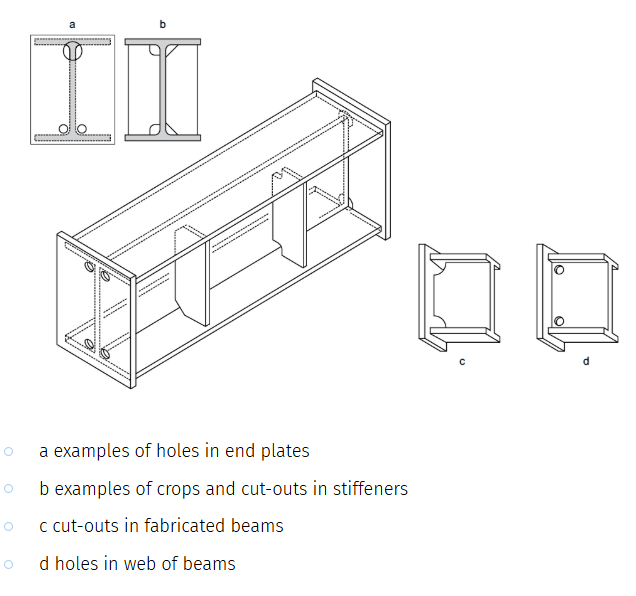
Location of Vent and Drain Holes General Guide
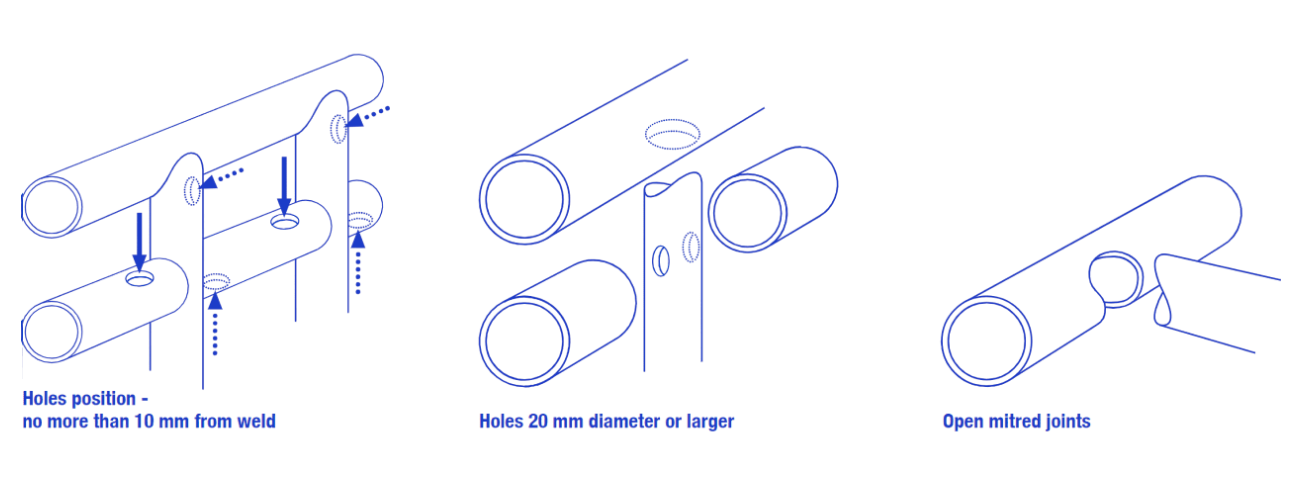
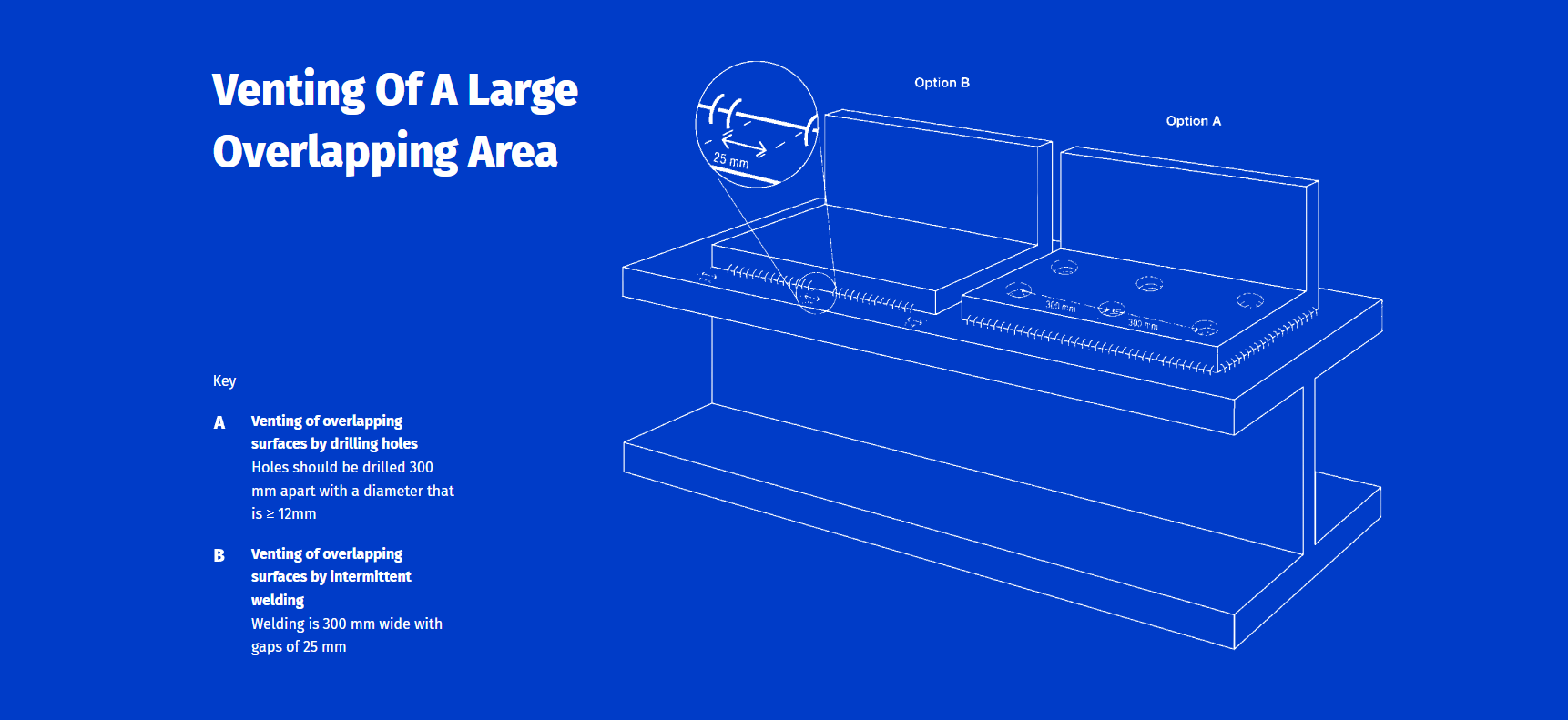
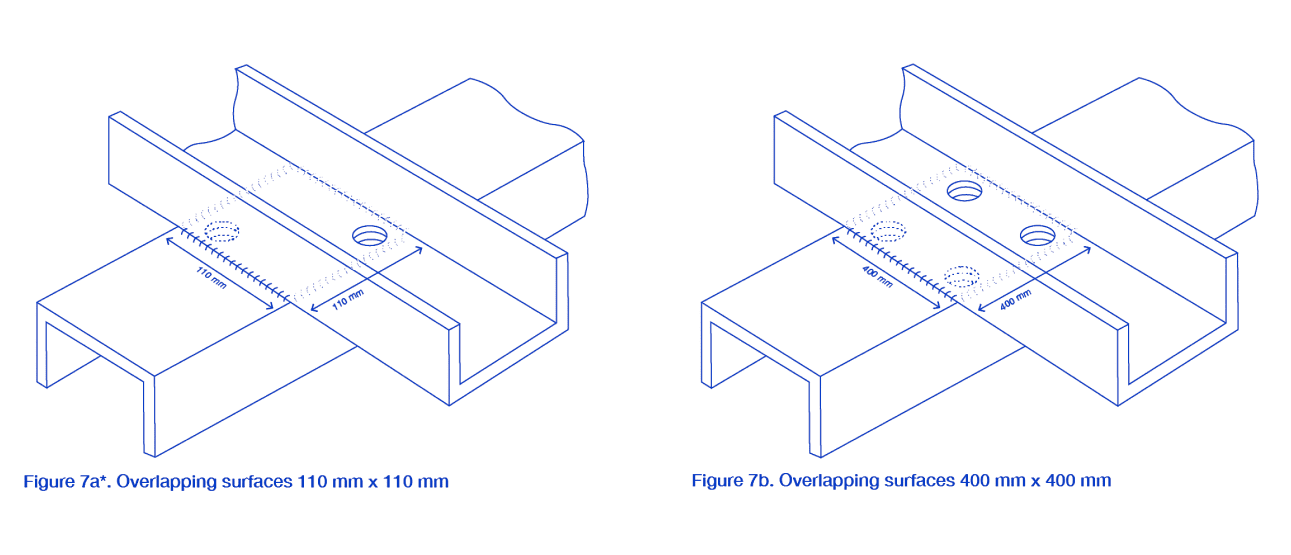
Examples of different ways to open venting and drainage holes
Example using Handrails
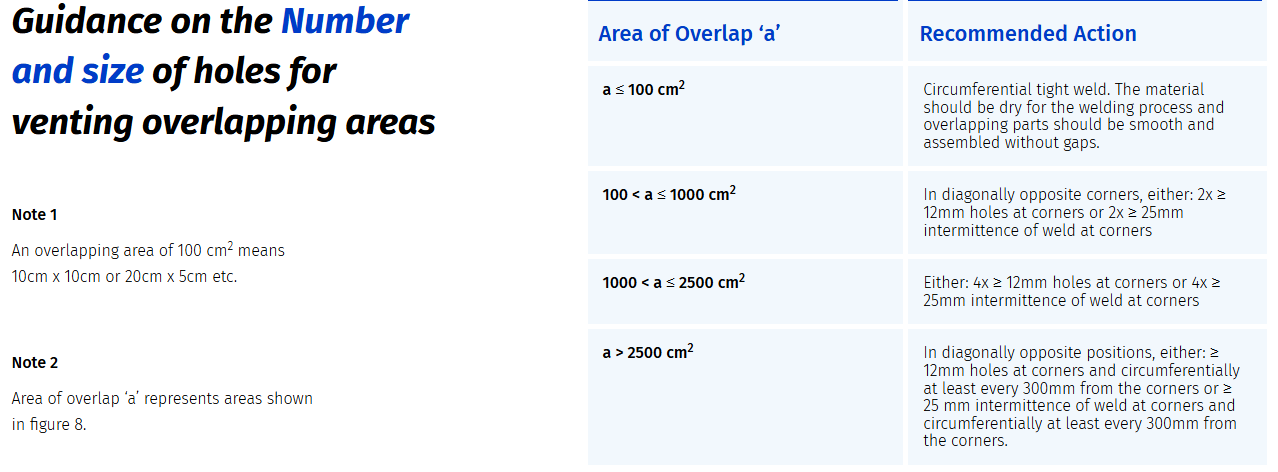
Example using material with overlapping area
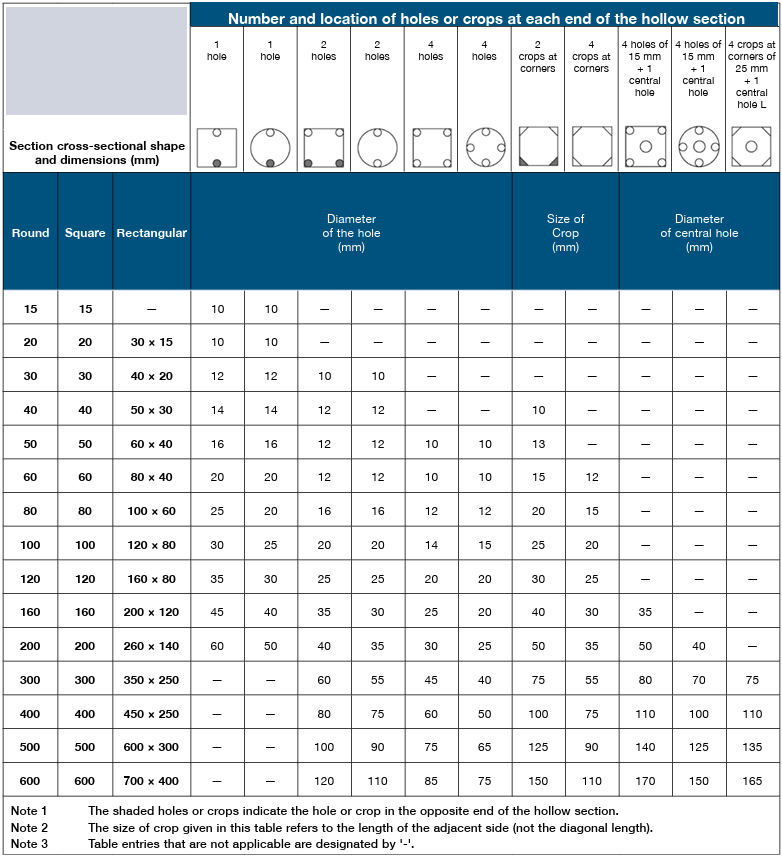
Table on vent hole sizes for hollow sections of different sizes
Common Issues & Recommendations
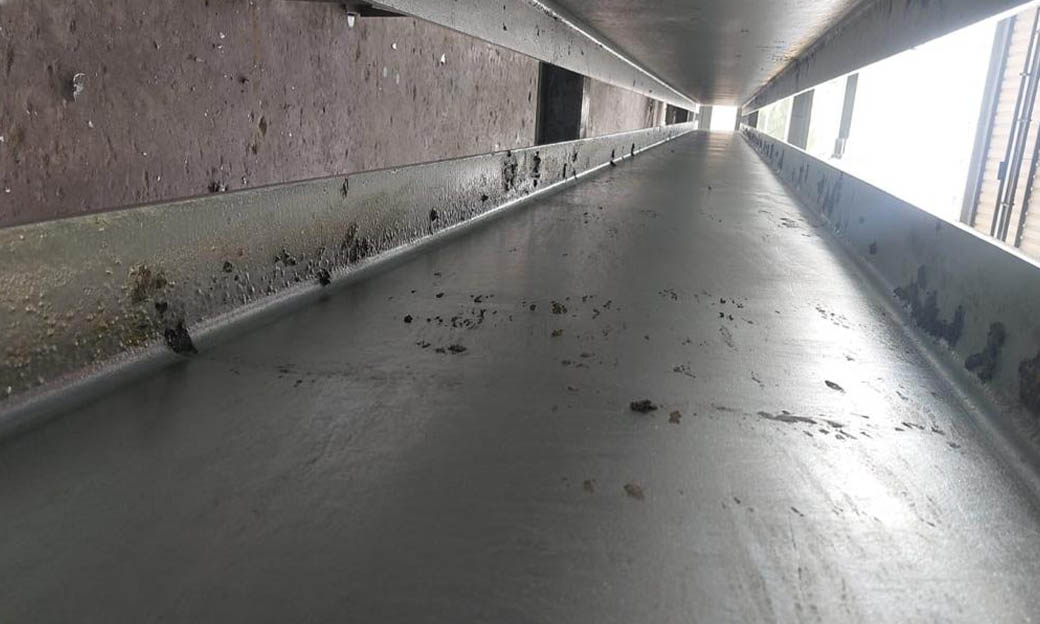
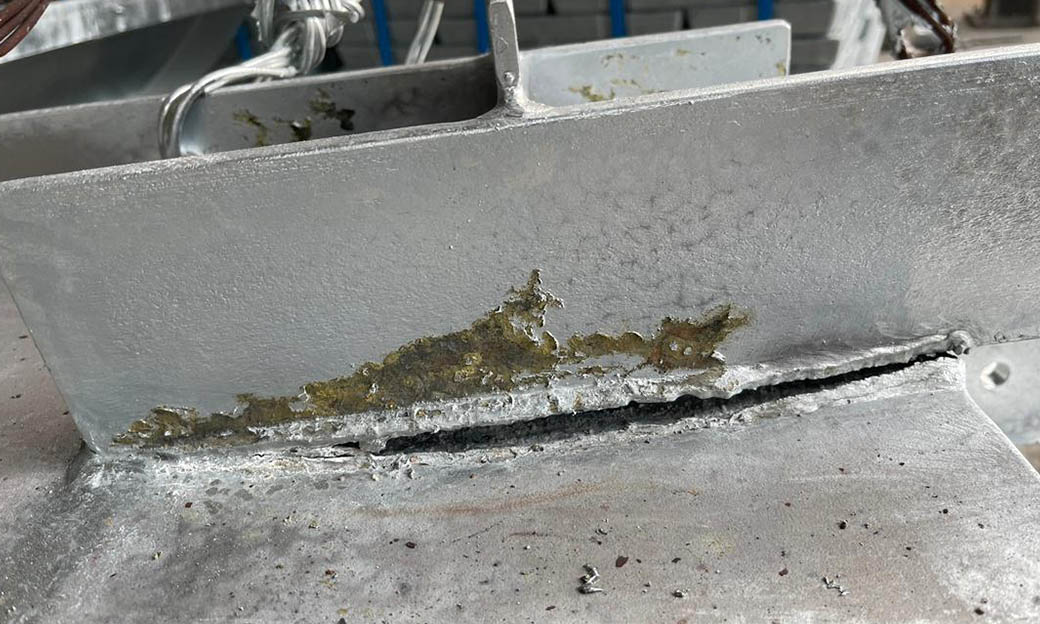
Example 1

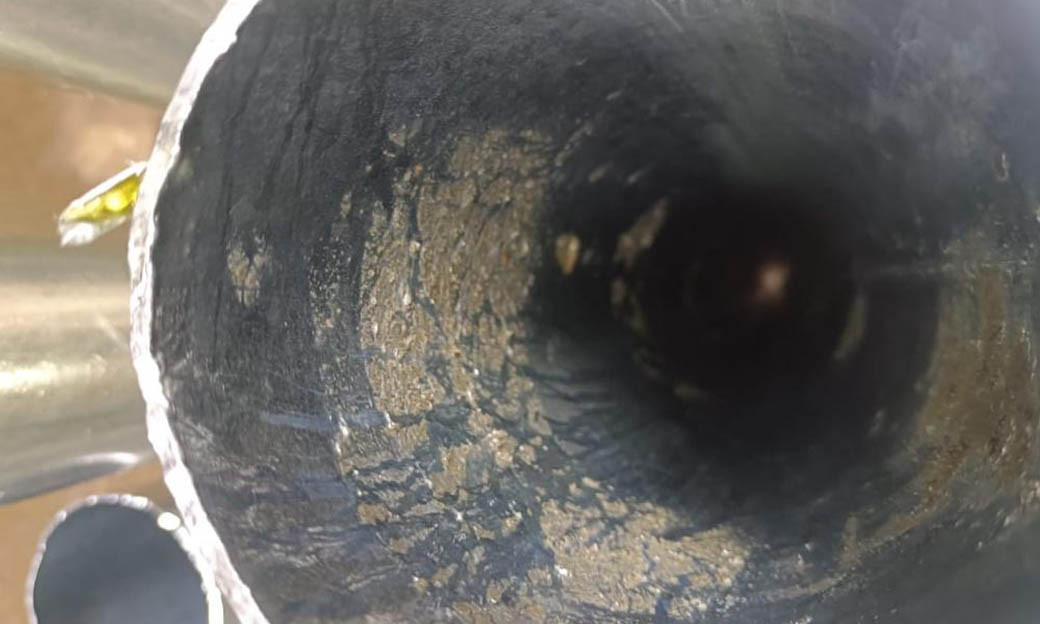
Issue 1: Insufficient drainage holes.

Possible Result 1: Ash entrapment or uneven coating.
Recommendation 1: Provide adequate vent and drain openings at suitable locations.

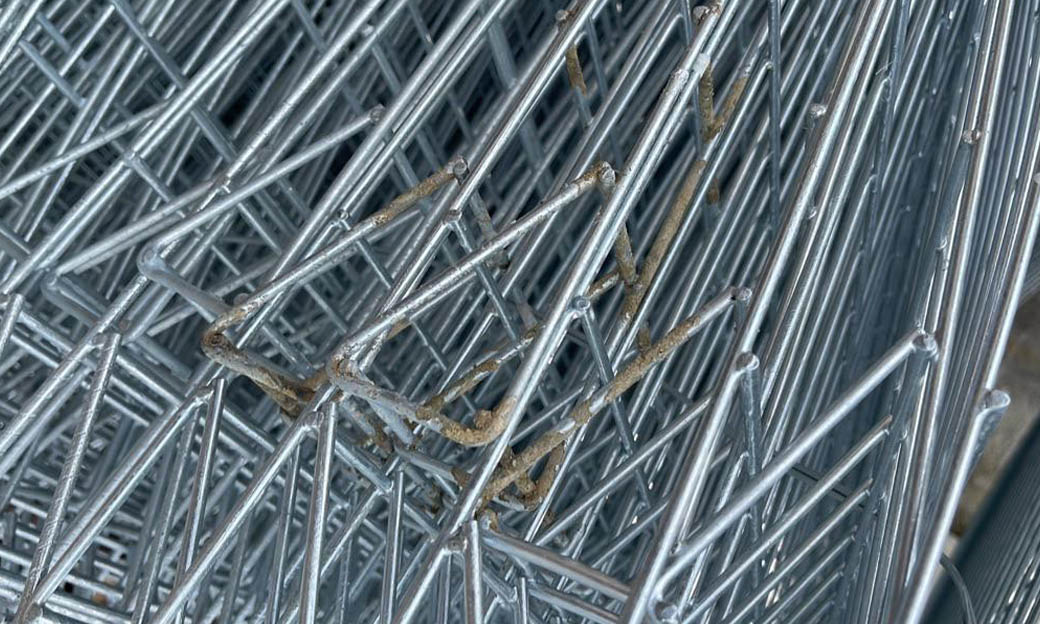
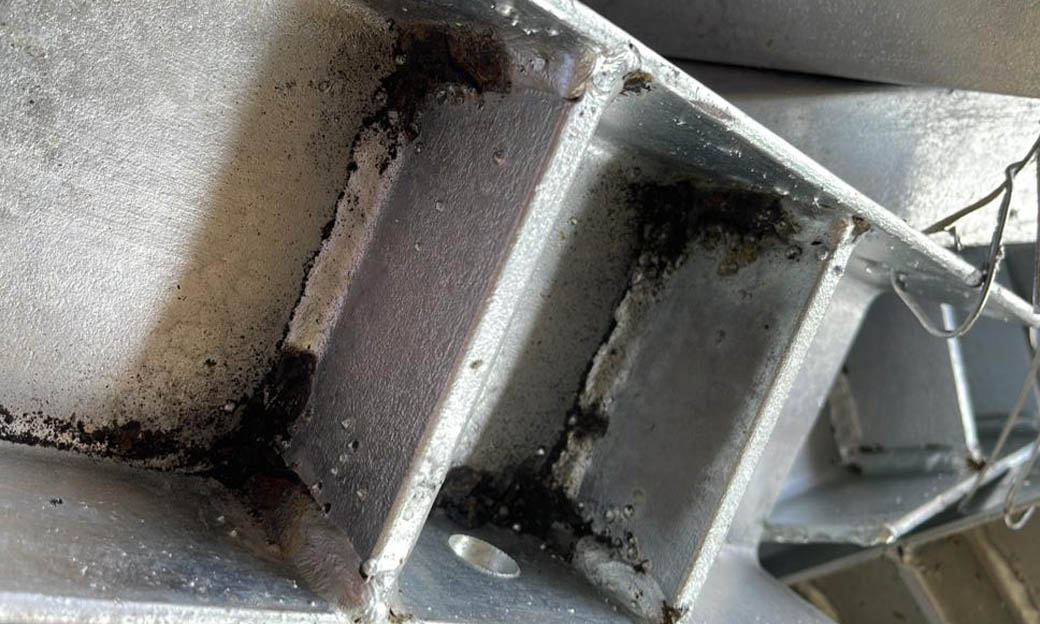
Example 2

Issue 2: Blow Out.
Possible Result 2: Surface irregularities or localised coating defects caused by residue or trapped moisture escaping during immersion.
Recommendation 2: Ensure weld areas, overlaps and hollow sections are properly cleaned, vented and drained.

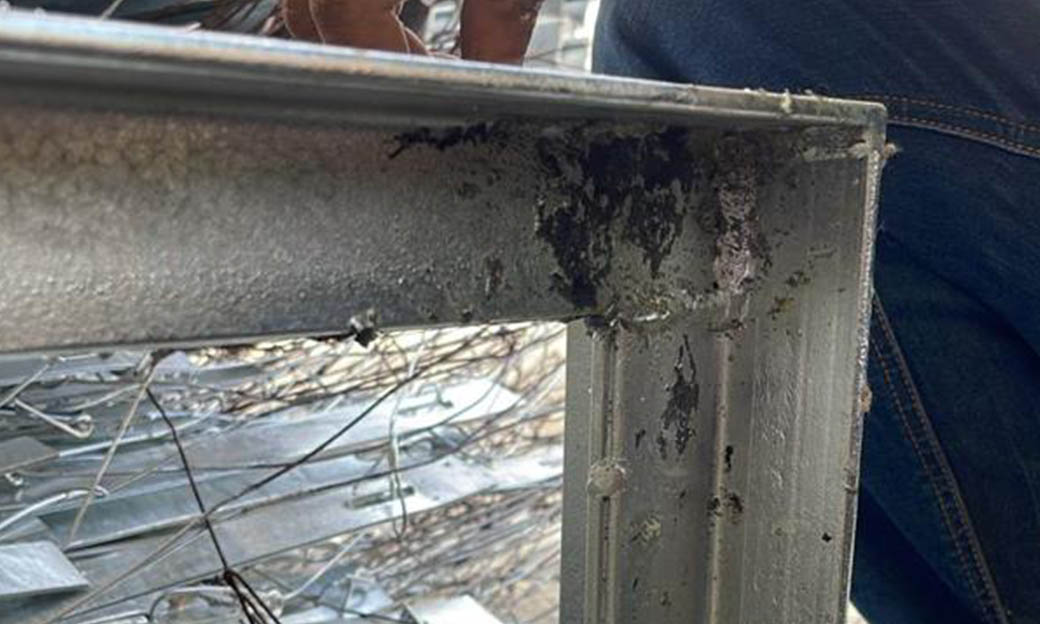
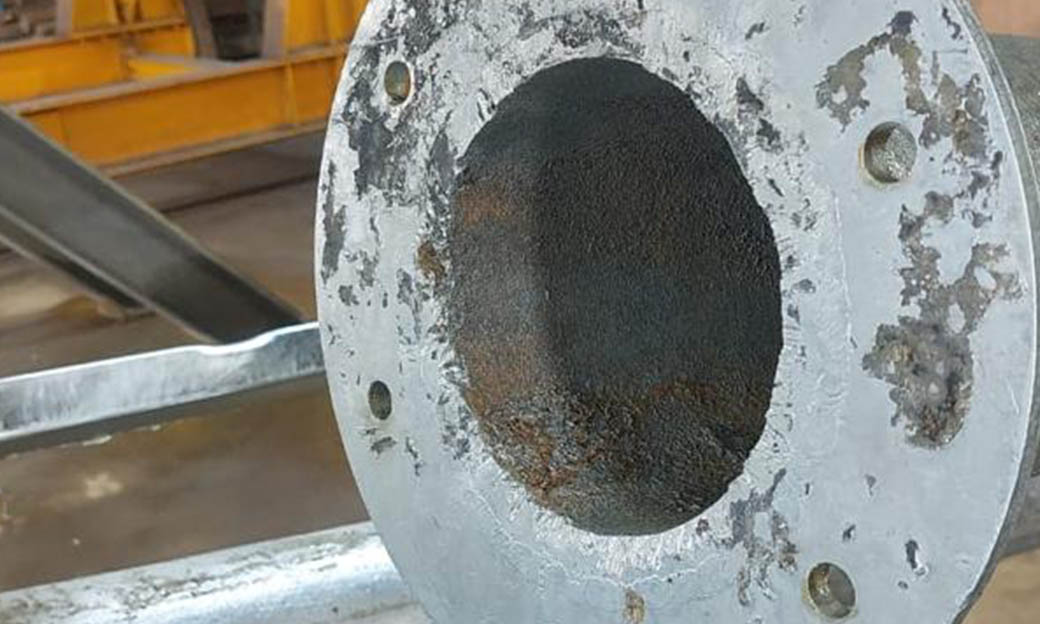
Example 3

Issue 3: Bare Spots.
Possible Result 3: Localised uncoated areas due to surface contamination, weld slag, paint or excessive residue.
Recommendation 3: Ensure steel surfaces are free from contaminants prior to galvanising.

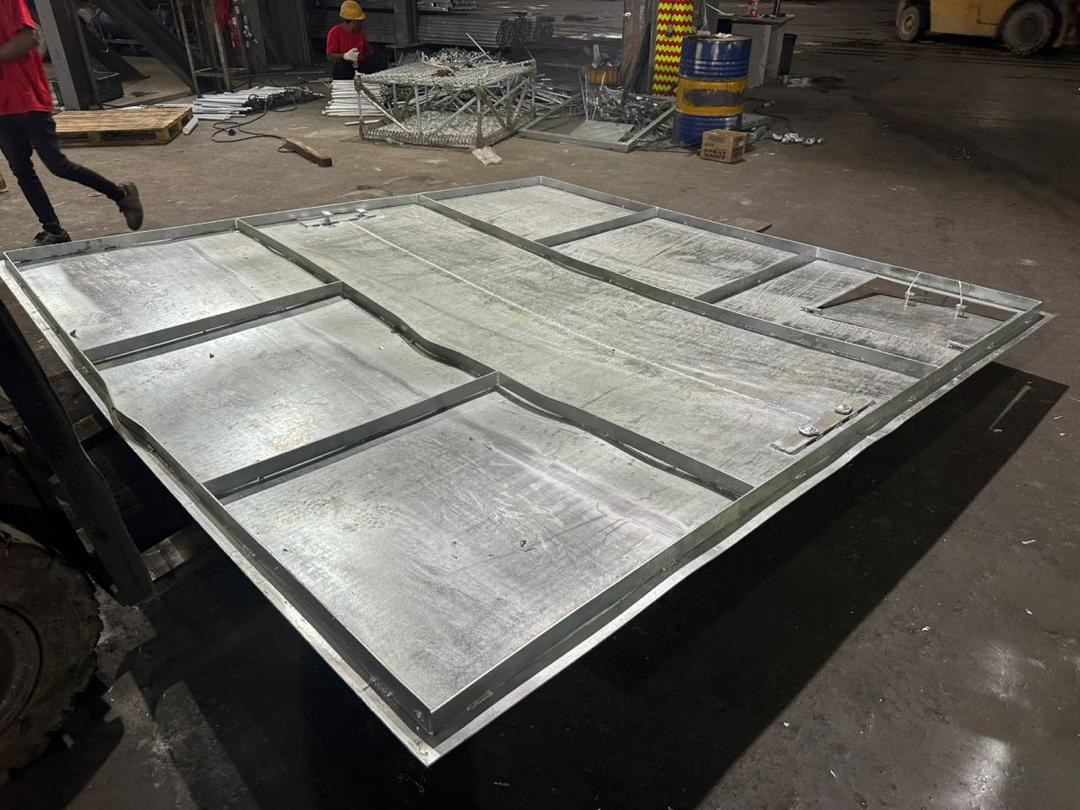
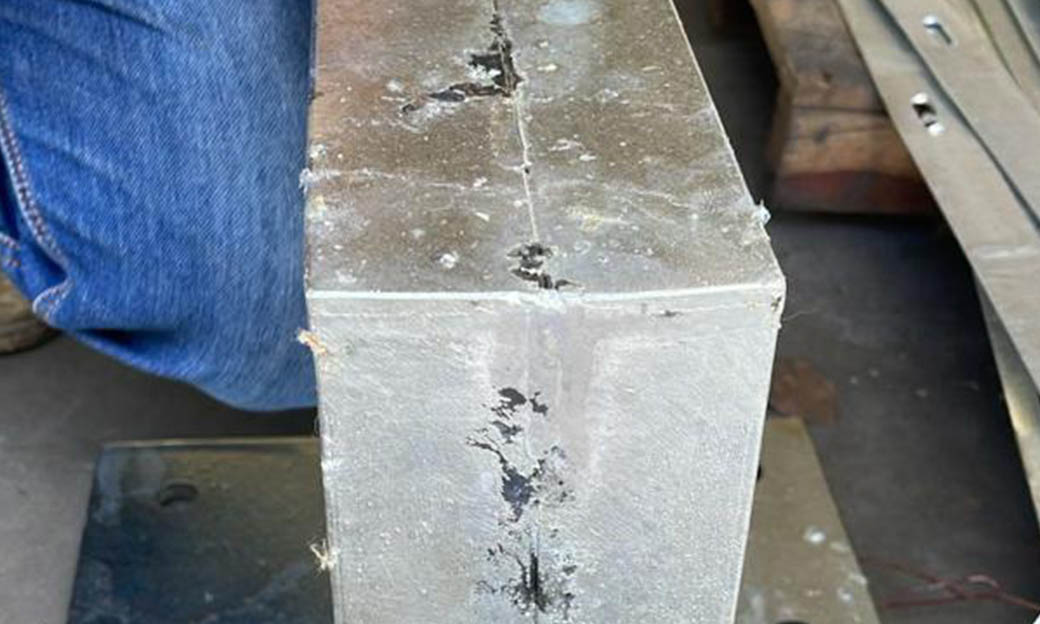
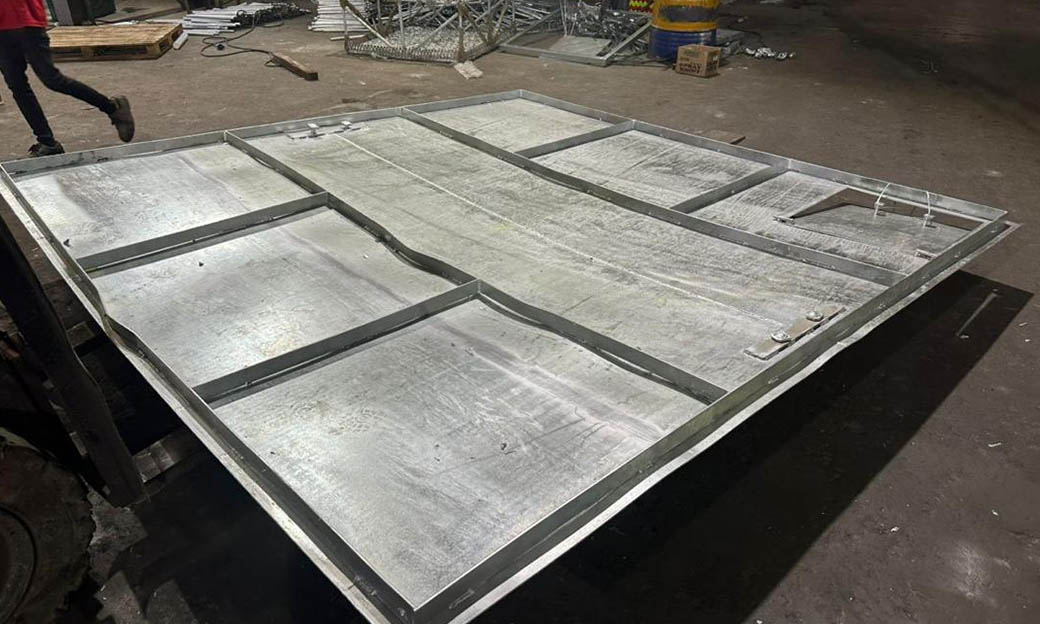
Example 4

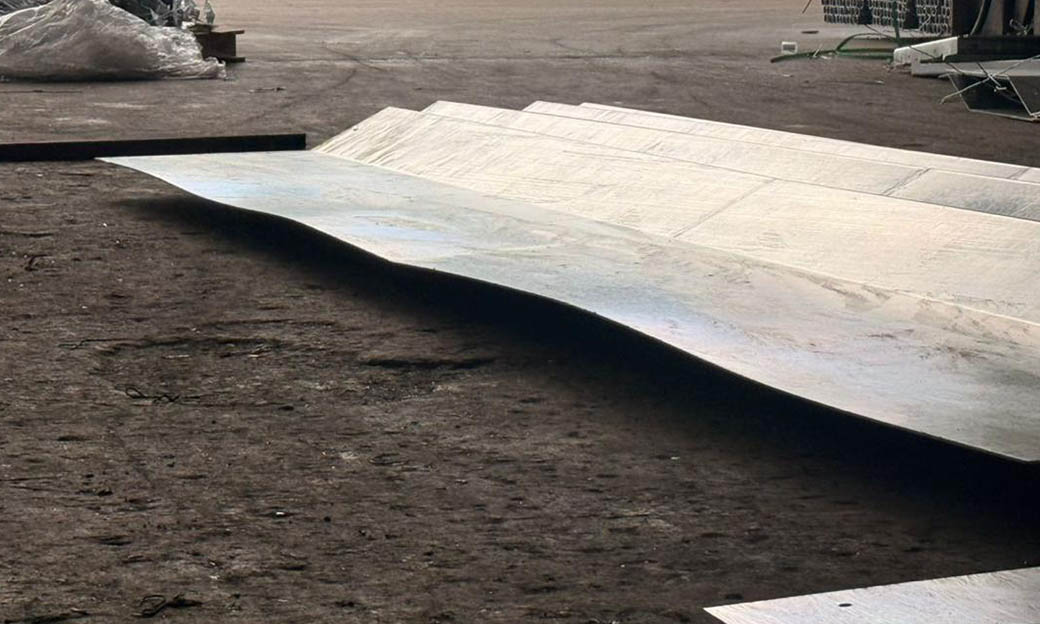
Issue 4: Distortion.
Possible Result 4: Minor warping of thin or asymmetrical fabricated sections due to process temperatures.
Recommendation 4: Use balanced fabrication design and consult prior to galvanising oversized or thin materials.

Contact Us

Technical Enquiries

For technical clarification or fabrication review, please contact our team prior to delivery.